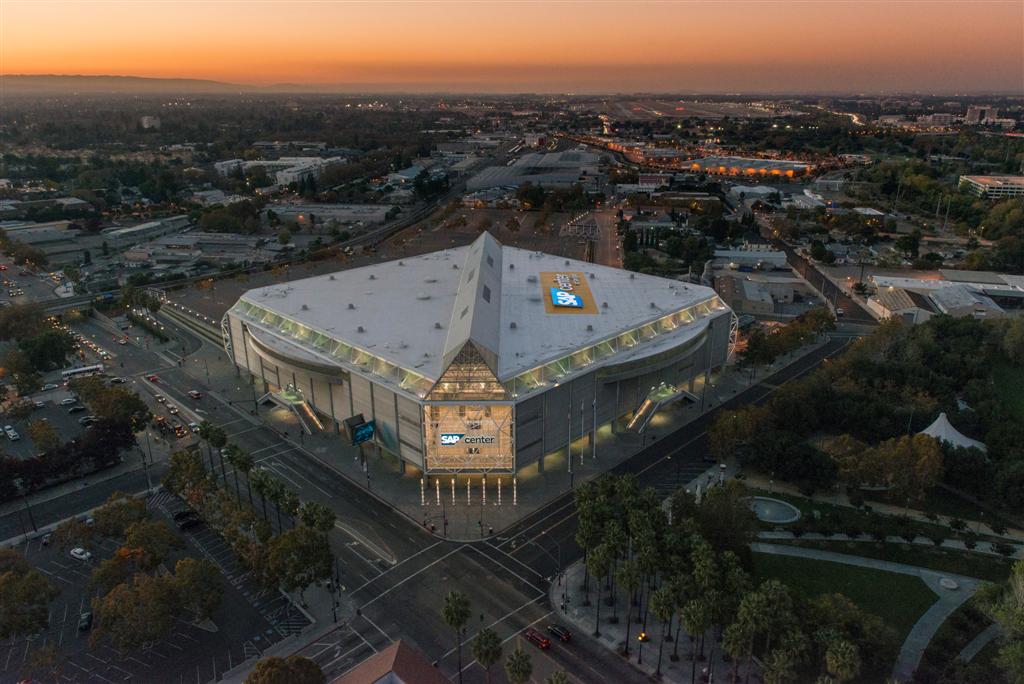
Unveiling the SAP Center Seating Chart: Your Ultimate Guide to San Jose's Premier Venue
Stepping into the SAP Center in San Jose is an experience in itself, whether you're there to cheer on the San Jose Sharks, witness a world-class concert, or enjoy a spectacular family show. Known affectionately as "The Shark Tank," this iconic venue promises unforgettable moments. But to truly maximize your event experience, understanding the SAP Center seating chart is paramount. With various configurations for different events, choosing the right seat can make all the difference between a good view and a truly breathtaking one.
This comprehensive guide will break down the intricacies of the Sap Center San Jose seating arrangements, from the energetic floor sections to the panoramic upper bowl, helping you pinpoint your perfect vantage point for any event.
Navigating the Floor: Up Close and Personal
For many concerts and specific entertainment events, the SAP Center transforms into an end-stage, fully seated configuration, where the action unfolds directly in front of you. When looking for an immersive experience, the floor sections are often the first choice for dedicated fans. Typically, these sections are numbered sequentially, with rows ranging from 1 to around 50, and individual seats numbered from 1 up to 14, generally ascending from right to left as you face the stage.
- The Premium Floor Experience: The absolute sweet spot for proximity and an intimate view of the stage lies within the first 10 rows of Floor Sections 2, 1, and 3. These coveted seats place you right in the heart of the performance, allowing you to catch every nuance, expression, and high-energy moment. If seeing your favorite artist up close is your top priority, these sections are unrivaled in their ability to make you feel connected to the show.
- The Flat Floor Challenge: While floor seats offer unparalleled closeness, it’s crucial to understand their primary drawback: they are set on a flat surface. This means that as you move further back from the stage, your view can potentially be restricted or obstructed by taller individuals standing (or even sitting) in front of you. For rows beyond the first 10, especially in the mid to back half of the floor, this becomes a more significant consideration that can impact your overall enjoyment.
- Mitigating Obstructions in Floor Seating:
- Arrive Early: If you're in a general admission standing floor section (which happens for some events), arriving well before doors open can secure a prime spot closer to the stage with a better sightline.
- Consider Aisle Seats: For seated floor sections, aisle seats might offer a slightly less obstructed view due to the open space to one side, providing a small visual relief.
- Check Event Specifics: Always confirm if the floor is configured for seated or general admission standing. This vastly changes the experience; standing allows you to maneuver, while seated means you're fixed in place.
While the allure of being on the floor is strong for its raw energy and direct connection, discerning concertgoers often weigh the thrill of proximity against the potential for obstructed views. For those who prioritize a consistently clear sightline above all else, the elevated bowl sections often present a compelling and more reliable alternative.
The Bowl Advantage: Unobstructed Views from Every Angle
Surrounding the main floor area are the stadium-style bowl sections, meticulously divided into the lower 100-level and the upper 200-level. The key advantage of these sections, regardless of their height, is their design: they are set on inclined risers. This thoughtful architectural feature ensures that even those seated in the back rows can enjoy a largely unrestricted view of the stage or playing surface, significantly reducing the risk of a blocked sightline compared to a flat-floor configuration.
Lower 100-Level: Proximity with Elevated Clarity
The 100-level sections (typically numbered 101-128) offer a fantastic balance of proximity to the action and the crucial benefit of elevated, tiered seating. Here, row numbers usually range from 1 to around 25, with individual seat numbers typically going up to 20 seats per row. A common numbering convention in the Sap Center San Jose is that Seat #1 in a given section is closest to the section with a lower number, helping you orient yourself.
- Near-Stage Perfection: For those seeking a close-up experience without the flat-floor gamble, specific 100-level sections shine. Sections such as 116, 128, 115, 101, 114, 102, and slightly further back, 113, 103, are widely considered among the best in the lower tier. These locations offer excellent side-stage views, often putting you physically closer to the performers than many of the rear floor seats, and critically, from an elevated perspective that ensures clear sightlines. You get the energy and a great view without the potential neck craning.
- The Full Production View: Sections 104 through 112, situated more directly facing the stage, provide a superb, comprehensive view of the entire production. While you might be at a greater distance and less likely to discern intricate facial expressions, these seats are ideal for appreciating the full spectacle – the stage design, lighting effects, choreography, and overall ambiance. They offer a balanced perspective, allowing you to take in the entire scope of the event. These often represent a fantastic value for money, offering a great, unobstructed view without the premium price tag of the closest sections.
Upper 200-Level: Panoramic Vistas and Value
The 200-level sections (typically numbered 201-228) sit above the 100-level, offering a more panoramic, bird's-eye view of the entire arena. Rows in this level usually range from 1 to 20. While certainly further from the action, these seats are often more budget-friendly and still benefit from the inclined risers, ensuring a clear, albeit more distant, view. For large-scale events, sporting spectacles where seeing the entire field of play is key, or simply for those on a tighter budget, the 200-level can provide an excellent overview of everything happening on stage or ice, without missing any of the grand scale.
Beyond the Concert Stage: Understanding Different Configurations at SAP Center
The SAP Center is a truly multi-purpose arena, which means its seating chart is highly adaptable and dynamic. While the end-stage concert setup is a common configuration, it's crucial to remember that the venue undergoes significant transformations for different events.
- Hockey (San Jose Sharks): For exhilarating NHL games, the floor seating is completely removed, revealing the pristine ice rink. Seating extends around the entire rink, with premium options like lower bowl seats along the boards, luxurious club sections, and private suites offering unparalleled views of the fast-paced hockey action. End-zone seats often provide a unique, strategic perspective on offensive and defensive plays, allowing you to track puck movement and plays developing towards the net.
- Basketball/Other Sports: Similar to hockey, the court or playing field is set up in the center of the arena, and seating extends around it. Depending on the sport, court-side or floor-level seats can offer a hyper-immersive, close-up experience, while higher sections provide a great strategic view of the entire game.
- General Admission Standing: For certain high-energy concerts or festivals, the entire floor area might be configured as a general admission standing section. This creates an electric, mosh-pit atmosphere, allowing fans to move freely and get as close to the stage as possible, though it again comes with the trade-off of potentially obstructed views and less personal space.
- Family Shows & Special Events: These diverse events, ranging from circuses to monster truck rallies, may utilize various configurations, sometimes a half-bowl setup, an in-the-round stage, or even a unique floor layout. Because of this variability, it's imperative to always consult the specific event's seating chart.
This dynamic nature of the Sap Center San Jose seating chart highlights the absolute necessity of reviewing the specific event layout when purchasing tickets. A seat that's excellent for an intimate concert might be completely different, or even non-existent, for a high-stakes hockey game or a wrestling event.
Practical Tips for Choosing Your Perfect Seat at SAP Center San Jose
Finding the ideal seat isn't just about knowing the sections; it's about matching your personal priorities and preferences with the available options. Here are some actionable tips to guide your decision-making process:
- Always Consult the Official Seating Chart: This cannot be stressed enough. Reputable ticket vendor websites (like Ticketmaster or the SAP Center's official site) will display an interactive seating chart specific to the exact event you're attending. This will show precise stage locations, any designated restricted or blocked views, and the exact seat and row numbering. Do not rely on generic charts.
- Define Your Priorities: Before you even start browsing, decide what matters most to you:
- Proximity & Immersion: If you want to feel like you're part of the show and catch every detail, consider the first few rows of floor sections or the premium 100-level side sections (e.g., 101, 102, 115, 116).
- Unobstructed View & Full Production: For a consistently clear, comprehensive view of the entire stage and spectacle, the mid-100s (e.g., 104-112) or even the front rows of the 200s are excellent choices.
- Budget-Friendly: The upper 200-level sections typically offer the best value for a decent view, allowing you to experience the event without breaking the bank.
- Ease of Access: Consider aisle seats in any section if you anticipate needing to leave your seat frequently, prefer a bit more legroom, or want easier entry/exit.
- Understand Seat Numbering: Remember that seat numbers typically ascend from right to left when looking at the stage, and Seat #1 is usually closer to the section with the lower number. This consistency helps you orient yourself and pinpoint your exact location within a row on the chart.
- Consider Sound Quality: While being right next to the stage can be exhilarating, sometimes the acoustics are optimized for seats slightly further back or in the mid-lower bowl, offering a more balanced and rich sound experience.
- Accessibility Needs: SAP Center is committed to providing an inclusive experience and offers accessible seating options throughout the venue. If you or someone in your party requires accessible seating, be sure to filter for these options specifically when purchasing tickets.
- Utilize Virtual View Tools: Many advanced ticketing platforms now offer "virtual view" or "seat preview" features. These allow you to see an approximate stage view from specific sections or even individual seats. This is an invaluable tool for visualizing your experience before you commit to a purchase.
Conclusion
The SAP Center in San Jose is a world-class venue, designed to host a diverse array of events, each offering a unique atmosphere and electrifying energy. By understanding the nuances of the Sap Center San Jose seating chart – from the exhilarating energy of the floor to the clear sightlines of the tiered bowl sections, and the adaptability of its configurations – you can confidently select tickets that perfectly align with your preferences and priorities. Whether you're seeking an up-close encounter with your favorite artist, a panoramic view of an intense Sharks game, or the best spot for a family show, a little planning using this guide will ensure you find your perfect view and create lasting memories at one of California's premier entertainment destinations.